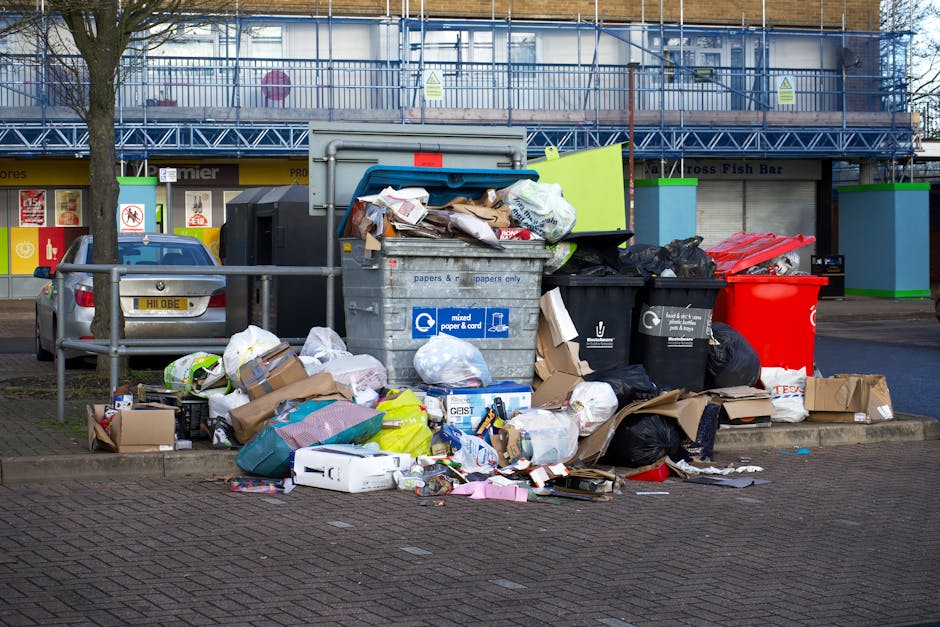
Avoid hidden costs in Enfield rubbish collection quotes
If you have ever looked at a rubbish collection quote and thought, "That seems reasonable enough," only to see the final bill creep up later, you are not alone. Hidden charges are one of the most frustrating parts of arranging waste clearance, especially when you are trying to keep a move, renovation, or property clean-out on budget. This guide explains how to avoid hidden costs in Enfield rubbish collection quotes, what to check before you book, and how to compare offers with a calmer head.
In plain English, this is about knowing what you are actually paying for. Labour, access, loading time, parking, sorting, disposal, and special items can all affect the price. The good news? Once you know where the traps usually are, the whole thing becomes much easier. Let's break it down properly.
Why Avoid hidden costs in Enfield rubbish collection quotes Matters
A rubbish collection quote should help you make a decision, not create a guessing game. When a price looks low at first glance, the hidden extras often appear later in the process: a "minimum load" charge, an additional fee for carrying items down stairs, or a surprise uplift for mattresses, fridges, rubble, or mixed waste. That is the sort of thing that turns a neat quote into an awkward conversation at the doorstep.
This matters even more in Enfield because many households and businesses are dealing with tight streets, shared access, flats, permit parking, and the usual London complications. A job that seems simple on paper can take longer in reality. If a company has not explained how they price access, weight, or sorting, you can end up paying for assumptions you never agreed to.
There is another reason to be careful: waste removal is a service where the cheapest offer is not always the best value. If one quote is significantly lower than the rest, ask yourself why. Is it because the company has excluded disposal fees? Or because it only becomes expensive once it arrives and sees the pile? A proper quote should feel clear, not mysterious.
Quick expert summary: the safest Enfield rubbish collection quote is usually the one that names what is included, what might cost extra, and what happens if the load changes on the day. Clear beats clever every time.
If you want to compare pricing formats more confidently, it helps to look at the company's pricing and quotes information before you request a visit. That way, you know the style of pricing you are dealing with before any collection is booked.
How Avoid hidden costs in Enfield rubbish collection quotes Works
Most rubbish collection quotes are built from a few core parts. Understanding those parts gives you a much stronger position when you are comparing providers.
1. Volume or load size
Some services price by how much space your waste takes in the vehicle. That can work well, but only if the service explains how they estimate volume and whether partly filled vehicles are still charged at a minimum rate. A van that looks "half full" to you may be priced differently by a contractor who is also accounting for sorting and disposal.
2. Waste type
General household waste is often simpler to quote than heavy, awkward, or specialist items. Builders' rubble, soil, plasterboard, old appliances, and contaminated materials can change the cost because they are harder to handle and dispose of correctly. If you are clearing renovation debris, a builders waste clearance service may be a better fit than a standard rubbish pickup.
3. Access conditions
Stairs, narrow hallways, rear-garden access, parking restrictions, and long carrying distances all matter. Truth be told, this is where many "cheap" quotes unravel. A ground-floor collection from an open driveway is not the same as a third-floor flat with no lift and a tight stairwell. If access is awkward, say so upfront. It saves hassle later.
4. Labour and time on site
Some companies charge for a set crew and a fixed time slot; others price only once they see the volume and effort involved. If the team has to separate mixed waste, dismantle furniture, or move items piece by piece through a building, the quote should reflect that. For furniture-heavy jobs, a dedicated furniture clearance or furniture disposal service may be clearer than a general collection.
5. Disposal and recycling costs
Responsible waste operators have real disposal costs. Those costs may vary depending on recycling, landfill diversion, and waste streams. A transparent quote should make it clear whether disposal is included or charged separately. If a provider talks about environmentally responsible sorting, you may also want to look at their recycling and sustainability approach.
6. Surcharges and special items
Special items can be the sneakiest part of all. Mattresses, fridges, freezers, paints, chemicals, tyres, electricals, and bulky items sometimes carry additional handling costs. A quote that says "from GBPX" without explaining the likely extras is not really a quote. It is a starting point.
Think of it like ordering a meal and then discovering the chips, sauce, and cutlery are all extra. Not ideal. Not surprising, either, if you know where to look.
Key Benefits and Practical Advantages
Taking time to avoid hidden costs is not just about saving money. It also makes the whole booking process calmer and more predictable.
- Better budget control: you can compare quotes on the same basis instead of comparing apples with oranges.
- Fewer disputes on the day: when everyone has agreed the details early, there is less awkward back-and-forth at collection time.
- Faster decision-making: clear quotes make it easier to choose a provider without endless phone calls.
- Reduced risk of delays: if access, item types, and parking are discussed upfront, the team can arrive prepared.
- More trust in the service: transparency is usually a good sign that the company runs a tidy operation.
There is also a practical benefit that people often miss: a clear quote gives you leverage. If you know exactly what is included, you are less likely to agree to vague add-ons just because the team is already outside and the pile is staring at you from the hallway.
For households that need a broader clean-out, a service such as home clearance or house clearance can sometimes be more cost-effective than pricing several small jobs separately. Same goes for a flat clearance where access and carrying distance are the main variables.
Who This Is For and When It Makes Sense
This advice is for anyone booking waste removal in Enfield and wanting to avoid bill shock. That includes homeowners, tenants, landlords, letting agents, shop owners, office managers, builders, and people clearing a property after a move or refurbishment.
It makes sense especially when:
- you have a mixed pile of waste and furniture;
- your property has stairs, shared entry, or limited parking;
- you are comparing a few very different quotes;
- you need a same-day or next-day collection;
- the items include heavier materials or special disposal items;
- you are clearing a loft, garage, garden, or office and want a realistic total cost.
For example, a landlord clearing a small flat after tenants move out may only need a straightforward load and a few bulky items. But if the same flat includes broken furniture, old appliances, and some bagged rubbish left in two rooms, the quote needs to reflect that properly. Small difference on paper, bigger difference in the van. It happens all the time.
If your job is more specialised, choosing the right service is half the battle. A loft clearance usually involves access and lifting issues. A garage clearance may involve a surprising amount of mixed junk. And a garden clearance can include soil, cuttings, pots, broken fencing, and damp waste that adds weight fast.
Step-by-Step Guidance
If you want to avoid hidden costs in Enfield rubbish collection quotes, follow a simple process. It does not need to be complicated.
- List everything to be removed. Be honest and specific. Count bags, note bulky items, and mention anything heavy or unusual.
- Photograph the waste from a few angles. Good photos save time and reduce misunderstandings. A quick snapshot in daylight usually helps more than a long explanation.
- Describe access clearly. Mention stairs, lifts, tight turns, parking restrictions, and how far the team may need to carry items.
- Ask what is included. Labour, loading, disposal, recycling, and call-out fees should all be clear.
- Ask what could change the price. This is the key question. If the answer is vague, keep digging.
- Confirm whether the quote is fixed or estimated. A fixed quote is usually easier to budget for. An estimate can still be fine, but only if the adjustment rules are clear.
- Check the terms before booking. Small print matters. The same goes for payment method, cancellations, access requirements, and waiting time.
- Book only when the scope matches the price. If something feels unclear, pause. A few extra minutes now can save a headache later.
One practical tip: if you are clearing a property in stages, ask whether the company can price each load separately or provide a clearer package rate. That can be especially useful during a renovation where waste appears in waves rather than all at once. Dust, broken plasterboard, old shelves, then suddenly a pile of bathroom fittings. Very normal, very annoying.
Expert Tips for Better Results
There are a few habits that make a real difference when comparing rubbish collection quotes. These are the ones worth keeping.
Be brutally clear about the waste mix
Do not call everything "rubbish" if it includes furniture, soil, electricals, or construction waste. Better wording leads to a better quote. The more mixed the load, the more important this becomes.
Ask for item-based clarity on bulky pieces
Mattresses, wardrobes, sofas, and white goods can change the cost structure. If those items are included, say so early. If you are not sure whether something counts as a special item, ask. There is no shame in that at all.
Use photos and a rough inventory
In our experience, photos reduce price surprises more than almost anything else. A five-minute set of images can replace a lot of vague chat. Include the access route too, not just the pile itself.
Confirm parking assumptions
Parking in Enfield can be straightforward in some streets and a complete faff in others. If the vehicle cannot stop near the property, make sure the quote reflects the extra carrying time. Otherwise the number on the screen and the number on the invoice may not match.
Ask what happens if the load is smaller or larger
Sometimes the pile shrinks after a sort-out. Sometimes it grows because someone remembers the shed, the loft, and the "one last cupboard". A good provider should explain how they handle changes either way.
Check payment expectations
Knowing when payment is due matters. If you want to understand how a company handles transactions, see its payment and security information. That can help you avoid awkwardness on the day.
And yes, it really does help to read the terms. Boring? Slightly. Useful? Absolutely.
Common Mistakes to Avoid
Most hidden cost problems come from a handful of predictable mistakes. The good news is that they are all avoidable.
- Choosing the cheapest headline price without checking what is included. A low number is not a bargain if it excludes disposal or loading.
- Hiding awkward details. If access is tricky, say so. If there are extra stairs, say so. The quote only works if the facts are real.
- Assuming all waste is priced the same. It is not. Heavy, mixed, and restricted waste usually costs more.
- Forgetting about special items. Fridges, mattresses, and rubble often need more handling than standard bagged waste.
- Not asking whether the quote is fixed. This one catches people out far too often.
- Booking in a rush. A rushed booking can save ten minutes and cost you far more later. Annoying, but true.
Another common issue is misunderstanding the scope of a "clearance" versus a "collection". A local waste service may simply remove what you have listed, while a larger clearance job may involve sorting, loading, sweeping, and removing items from several rooms. If you want a fuller service, the wording matters. You can compare that with broader waste removal options and see what best fits your situation.
Tools, Resources and Recommendations
You do not need fancy software or specialist tools to compare quotes well. A few simple habits are enough.
- A phone camera: take clear pictures of each room, access point, and any difficult items.
- A note list: write down what is going, what might be added, and what must stay.
- Measurements if needed: especially useful for bulky furniture or builders' debris.
- A fixed decision rule: decide in advance what matters most: price, speed, flexibility, or recycling approach.
- The company's own policy pages: these can tell you a lot about how the business operates.
If you want more confidence in the business itself, it is worth reviewing pages such as about us, insurance and safety, health and safety policy, and complaints procedure. These pages help you judge whether the company takes its responsibilities seriously or just looks polished on the surface.
If you are dealing with a flat, office, or business premises, more specialised services can also help keep pricing cleaner and easier to compare. Consider office clearance for workplace items, or business waste removal where recurring collections or mixed commercial waste are involved.
Law, Compliance, Standards, or Best Practice
This topic touches waste handling, so a careful approach is sensible. In the UK, waste carriers and disposal practices need to be handled properly, and reputable operators should be able to explain how they manage waste responsibly. You do not need to become a compliance expert, but you should expect clear, lawful handling and sensible paperwork where relevant.
As a customer, the best practice is straightforward:
- make sure the company is transparent about what happens to your waste;
- avoid any provider that cannot explain disposal clearly;
- check that the service feels organised, insured, and accountable;
- keep records of the quote, agreed scope, and payment details;
- raise questions early if anything in the quote is unclear.
For refurbishment debris or mixed waste from trades work, a specialist builders waste clearance service is often the cleaner option because it is designed around heavier materials and site-style removal. For household items, a more general or room-based clearance may be better.
Best practice is not about red tape for the sake of it. It is about making sure the quote you accept reflects the real job, not a simplified version of it. That is where hidden costs usually sneak in.
Options, Methods, or Comparison Table
Different services suit different situations. A quick comparison makes the choice easier.
| Option | Best for | Typical pricing style | Watch out for |
|---|---|---|---|
| Single-load rubbish collection | Smaller clear-outs, bagged waste, a few bulky items | Often based on load size or minimum charge | Minimum fees, access extras, special-item surcharges |
| Room-based clearance | Flats, homes, lofts, garages, mixed household items | Often estimated after photos or a site visit | Unclear scope, added labour if more rooms are included |
| Specialist service | Builders waste, offices, commercial waste, heavy or awkward items | May be item-specific or job-specific | Waste type exclusions, disposal rules, access charges |
| Full property clearance | Moves, probate-style clearances, major decluttering, end-of-tenancy work | Usually quoted after assessment | Hidden extras if the property condition is not described properly |
The simplest way to choose is to match the service to the job, not just the headline price. A garden load is not an office load. A loft full of forgotten boxes is not the same as a few black sacks by the front door. Sounds obvious, but in the rush to book, people forget it.
Case Study or Real-World Example
Picture a typical Enfield weekend. A couple are clearing out a loft before a house sale. The first quote they receive sounds decent at a glance, but it is based on "standard access" and "light mixed waste". The problem is the loft hatch is narrow, there is a steep staircase, and several items are heavier than expected: an old wardrobe, a broken desk, a mattress, and a stack of damp storage boxes. The original price suddenly feels less solid.
They pause, list the items properly, take photos in daylight, and explain the access clearly. The second quote is a little higher on paper, but it includes the awkward stairs, the heavier items, and the disposal method. That quote ends up being better value because it is the real price, not an optimistic one.
That is the pattern you want to copy. A quote that looks slightly less exciting but covers the actual job is usually the smarter choice. You know where you stand. No nasty little surprises. No "oh, that will be extra" halfway through the loading.
Practical Checklist
Use this quick checklist before you agree to any rubbish collection quote in Enfield:
- Have I listed every item or bag that needs removing?
- Have I described access, stairs, parking, and carrying distance?
- Have I mentioned special items like mattresses, fridges, rubble, or electricals?
- Do I know whether the quote is fixed or estimated?
- Do I know what is included in labour, loading, disposal, and recycling?
- Have I asked what could trigger a surcharge?
- Have I checked the company's terms and payment details?
- Have I compared at least one more quote on the same basis?
- Does the price still make sense if the team sees the site in person?
- Do I feel comfortable that the company is transparent?
If you can tick most of those off, you are in a much stronger position. Simple, really. But it works.
Conclusion
Hidden costs are rarely hidden because they are clever; they are hidden because the quote was too vague. If you want a fair price in Enfield, your best tool is clarity. Be specific about the waste, honest about access, and direct about what is included. That alone will filter out a lot of weak quotes.
It also helps to work with a provider that explains pricing properly and offers services suited to the job, whether that is a furniture clearance, a garage clearance, or a more general clear-out. The right service, with the right information, makes the whole process smoother and far less stressful.
Get a free quote today and see how much you can save.
And if you take only one thing from this guide, let it be this: a good quote should feel calm, clear, and complete. That is the kind of service worth choosing.
Frequently Asked Questions
What should be included in an Enfield rubbish collection quote?
A clear quote should normally cover labour, loading, transport, disposal, and any likely extras such as special items or difficult access. If any of those are missing, ask before booking.
Why do rubbish collection quotes vary so much?
Prices vary because waste type, volume, access, parking, and disposal costs are not the same from one job to the next. A flat on a busy street is not priced the same as a driveway collection.
How do I spot hidden charges before I book?
Look for vague wording like "from" pricing without detail, unexplained surcharges, or quotes that do not mention stairs, special items, or disposal. If the company cannot explain the price simply, that is a warning sign.
Is a fixed quote better than an estimate?
Usually, yes, if the job details are accurate. A fixed quote gives you certainty. An estimate can still be fine, but only when the adjustment rules are clear and reasonable.
Do photos help reduce the chance of extra charges?
Yes. Photos help the provider judge volume, item type, and access more accurately. They are especially useful for lofts, garages, and mixed loads.
Are bulky items more expensive to remove?
Often they are, because they can take longer to handle and may have different disposal requirements. Sofas, wardrobes, mattresses, and appliances are common examples.
What if my rubbish pile changes on the day?
Tell the company as soon as possible. A reputable provider should explain how changes are priced. If you add a lot more waste than expected, the quote may need adjusting.
Can access problems really change the price?
Absolutely. Narrow stairs, long carry distances, and parking issues all add time and effort. They are one of the most common reasons for quote changes.
Should I compare several quotes or just take the first one?
Comparing at least two quotes is usually the smarter move, especially if the first one is very cheap or very vague. You want to compare like with like, not a low headline price against a fuller service.
How do I know if a company is trustworthy?
Look for clear pricing, straightforward terms, useful policy pages, and a willingness to answer questions. Transparency is often the best indicator that the service is organised and reliable.
Does recycling affect the final price?
It can. Responsible sorting and recycling can influence disposal costs. A good provider should be able to explain whether recycling is built into the quote or reflected in the price structure.
What is the safest next step if I'm unsure about a quote?
Ask for clarification in writing, send photos, and request a breakdown of what is included. If the answer still feels vague, keep looking. It is better to pause than to accept an unclear price and regret it later.